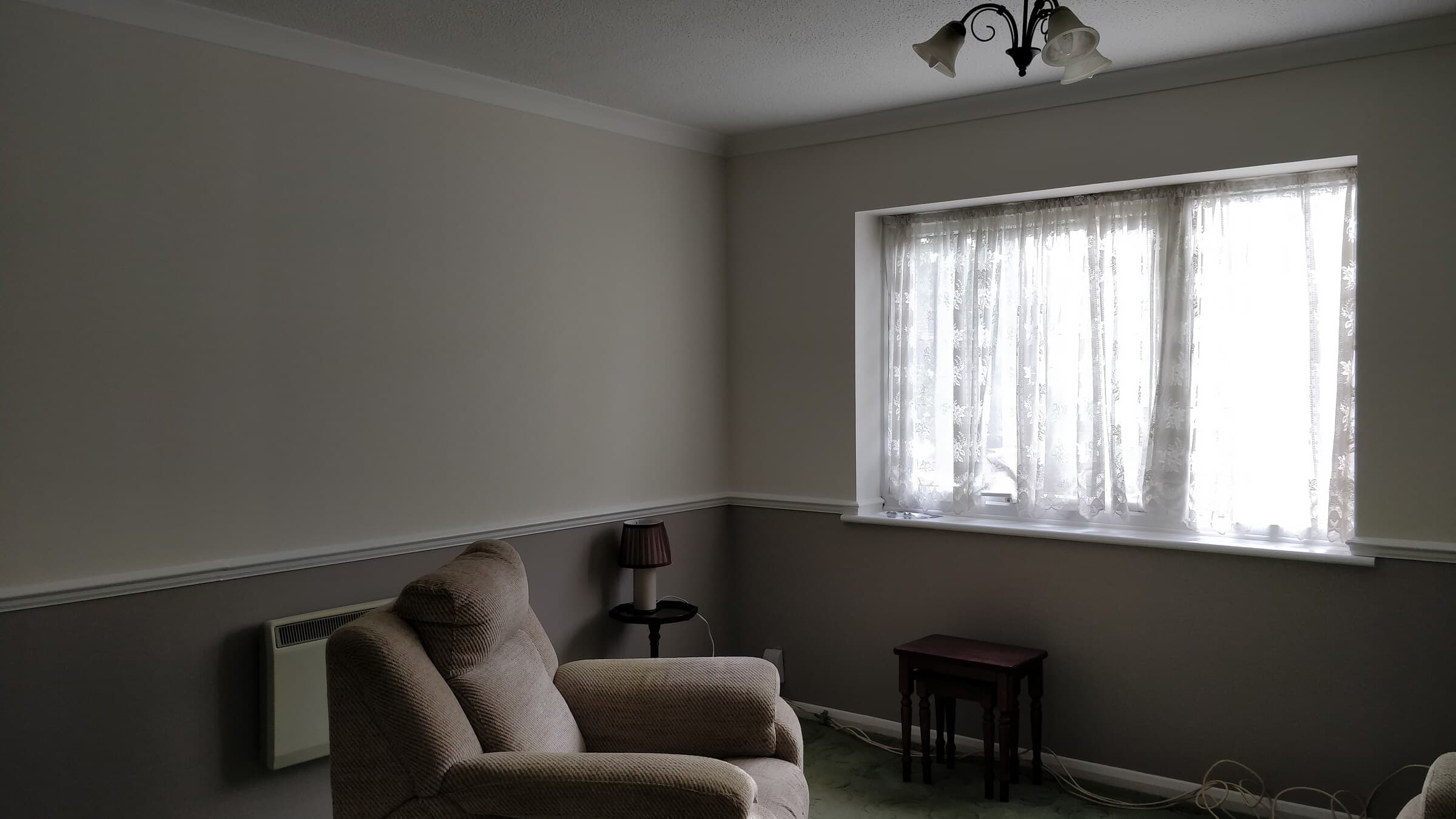
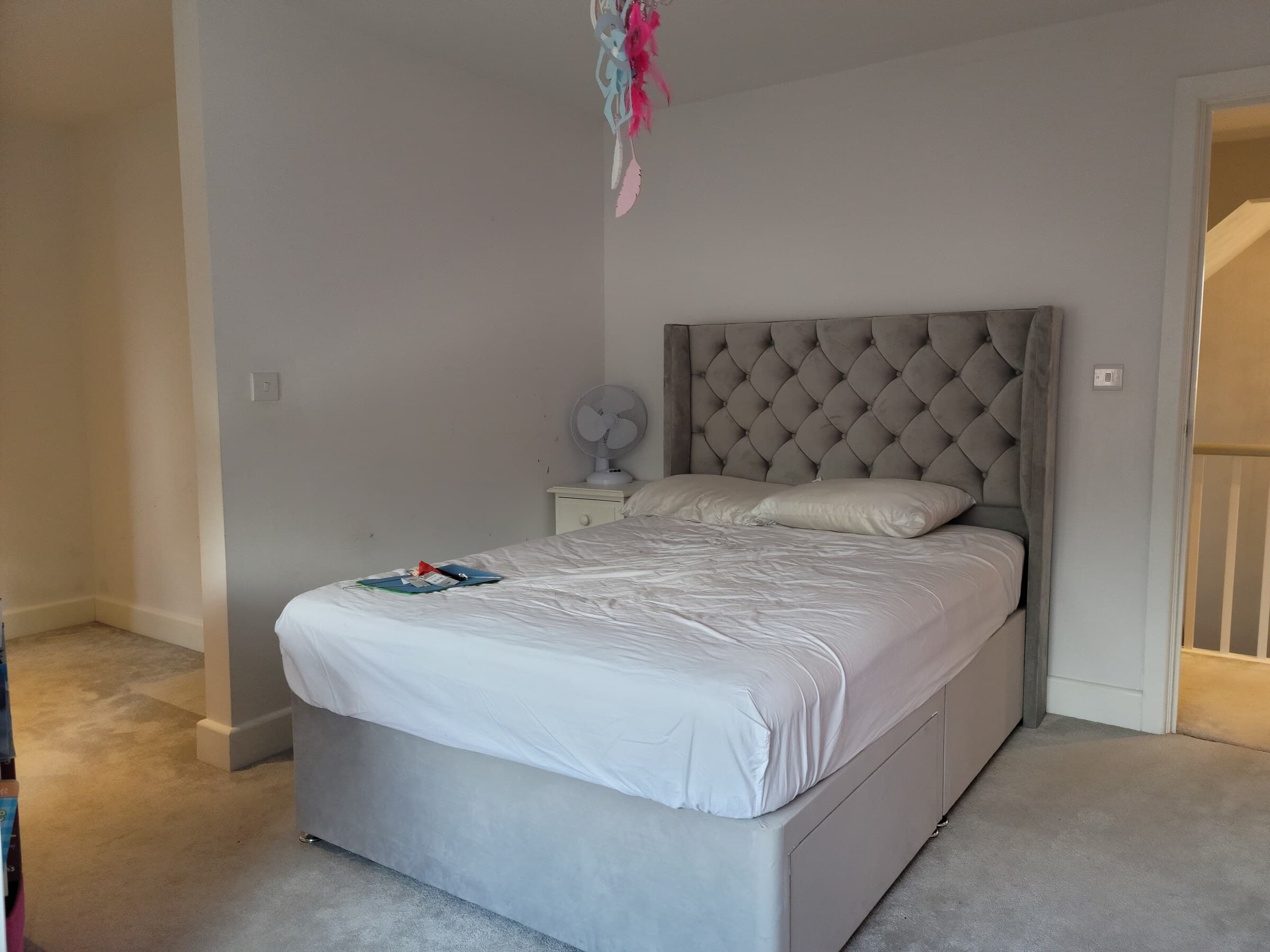
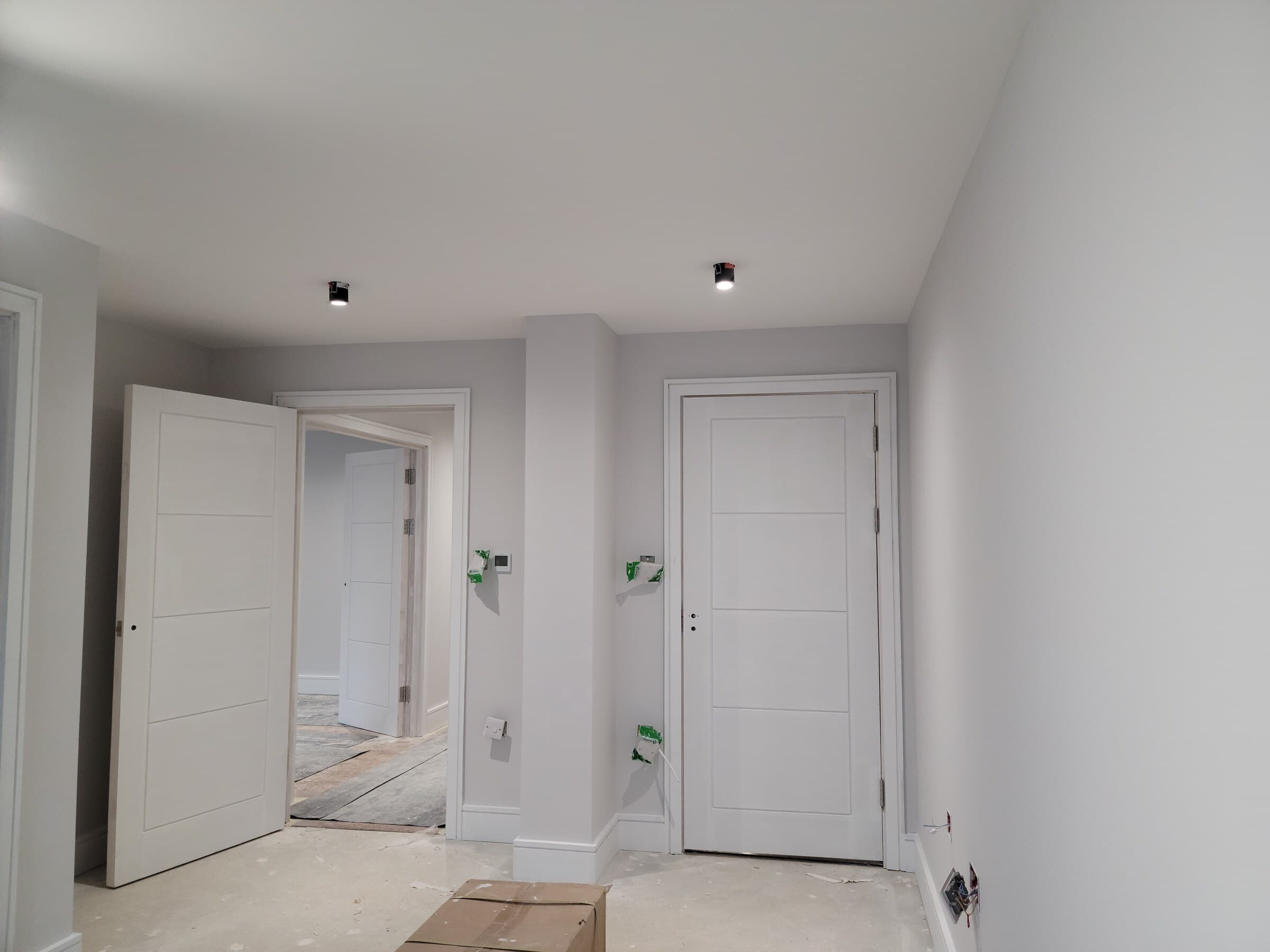
Choosing colours is the part of decorating most people find hardest, and the part they most often get wrong. A shade that looks perfect on a tiny chart, or on a friend's wall, can land completely differently in your own room. The good news is that picking colours you'll be happy with isn't about having a designer's eye, it's about understanding a few things that affect how colour reads, and testing properly before you commit. Here's how we'd go about it.
Start with the room, not the colour chart
It's tempting to fall for a colour first and then find a room for it. It works better the other way round. Think about how the room is used and how you want it to feel: calm and restful in a bedroom, bright and practical in a kitchen, warm and cosy in a snug. Consider what isn't changing, too, the flooring, the worktops, a sofa you're keeping, since your colours need to sit happily alongside those. Starting from the room narrows thousands of options down to a sensible handful.
Understand how light changes colour
The single biggest reason a colour seems to 'change' between the shop and your wall is light. The same paint can look noticeably different depending on the light a room gets, so it's worth understanding before you choose.
Which way does the room face?
In the UK, north-facing rooms get cooler, bluer light, which can make cool colours look flat or chilly, so warmer, softer shades usually work better there. South-facing rooms get warm light for much of the day and can carry cooler or bolder colours comfortably. East-facing rooms are bright and warm in the morning and cooler later; west-facing rooms are the reverse. Knowing which way your room faces tells you a lot about how a colour will behave in it.
Natural and artificial light
Daylight shifts from morning to evening, and your bulbs change things again after dark: warm white bulbs push colours warmer, cool white bulbs do the opposite. A colour you choose by daylight can look quite different under your evening lighting, which is exactly why testing in the actual room, at different times, matters so much.
Test properly: the mistake almost everyone makes
Painting a small square straight onto one wall and deciding within the hour is how most colour regrets happen. Here's how to test so you actually know what you're getting:
Get sample pots of your shortlist, not just chart swatches, which are printed and never quite accurate.
Paint a big patch, at least A3 size, and ideally two coats, so it's the true colour rather than a thin first coat.
Test on more than one wall: a wall facing the window and one facing away will read differently.
Paint a patch on white card or lining paper too, so you can move it around the room and hold it next to your flooring and furniture.
Live with it for a few days and look at it morning, afternoon and evening, and under your lights at night, before you commit.
Test bold colours especially carefully, strong shades change the most between a chart and a finished wall.
Undertones: why your 'simple white' looks pink
Almost no colour is pure. Whites and neutrals in particular carry undertones, hints of pink, yellow, green, grey or blue, that you don't notice on a chart but absolutely see across four walls. It's why one white can feel warm and creamy and another cold and clinical. When you test, look at your patch next to a sheet of plain printer paper: against true white, the undertone usually jumps out. Matching undertones across a room, and to fixed elements like your flooring, is what makes a scheme feel considered rather than slightly 'off'.
Make it flow from room to room
Colours don't live in isolation, especially in open-plan spaces and hallways where you see several rooms at once. You don't need the same colour everywhere, but a connecting thread helps: a consistent white on woodwork and ceilings throughout, or colours that share an undertone, ties a home together. Hallways and landings are worth particular thought, since they touch every other room. If you're repainting much of the house, it pays to plan the whole scheme at once rather than room by room, something we're happy to talk through as part of an interior repaint.
Don't forget the finish
The sheen level matters as much as the colour, both for looks and for durability. As a rough guide:
Matt is soft and forgiving on walls and ceilings and hides minor imperfections, but it's less wipeable, so it's better in lower-traffic rooms.
Eggshell and satin have a gentle sheen and wipe clean, which makes them a good choice for woodwork and for busy rooms like hallways, kitchens and children's rooms.
A wipeable 'kitchen and bathroom' finish stands up to moisture and cleaning where you need it.
The same colour can look slightly different in different finishes, since sheen changes how light bounces off it, so factor that in when you test.
Where to be bold, and where to play it safe
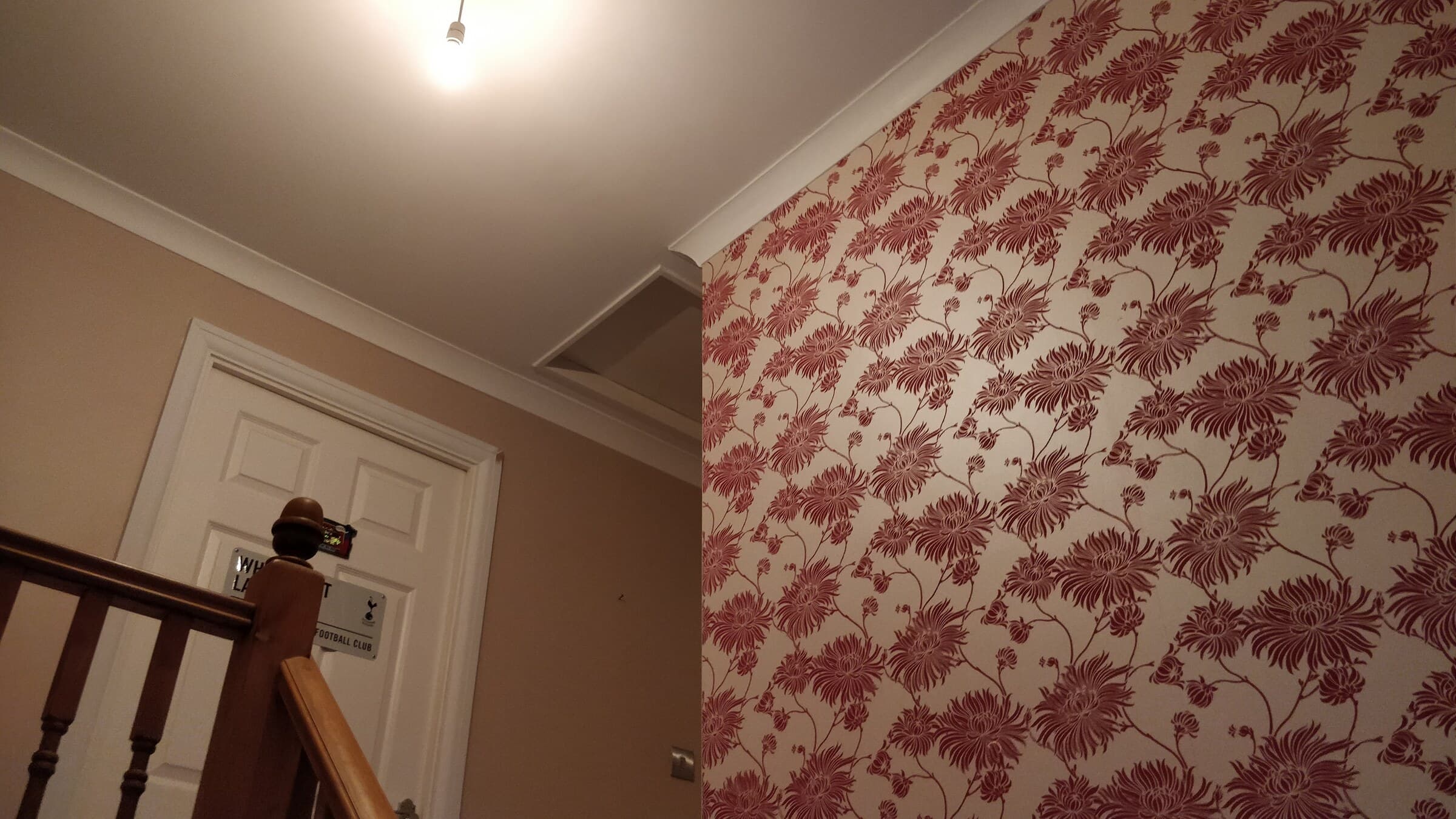
If you love a strong colour but aren't sure about a whole room, a feature wall is a good way to use it without committing every surface, and it's easy to live with. The same goes for pattern: wallpaper on one wall can add character and is simpler to change down the line than repainting everything. If you're weighing pattern against paint for a whole room, our guide on choosing between wallpaper and paint compares cost, durability and where each works best. Keep the boldest choices for the rooms where you'll enjoy them most, and lean calmer in the spaces you only pass through.
Still stuck? We're happy to help
After 30-plus years of decorating, we've seen how colours actually behave once they're on the wall, not just on a chart, and we're glad to talk options through when we quote. We can also help with colour matching if you're trying to match an existing shade or pull a scheme together. If you'd like a hand, get in touch, and if you want a sense of cost while you plan, our pricing calculator gives an instant ballpark.
Frequently asked questions
How do I choose the right paint colour?
Start with the room and how you want it to feel, and with what isn't changing, like flooring and furniture. Shortlist a few shades, then test them properly with sample pots and large patches in the actual room, looking at them at different times of day and under your evening lights before you decide.
Why does my paint look different on the wall than on the chart?
Mostly light and undertones. Charts are printed and never perfectly accurate, and the light in your room, which way it faces, the time of day and your bulbs, changes how a colour reads. Undertones you can't see on a small swatch also show up clearly across a whole wall.
How many sample pots should I buy?
Enough to test your real shortlist, usually two or three, rather than committing to a full tin you might regret. Paint a large patch of each, ideally two coats, and compare them in the room over a few days.
What's the difference between matt, eggshell and satin?
It's the level of sheen. Matt is flat and forgiving but less wipeable, so it suits walls in calmer rooms. Eggshell and satin have a gentle sheen, wipe clean and wear well, which makes them good for woodwork and busy areas. We'll recommend the right finish for each room.
Should every room be the same colour?
No, but a connecting thread helps a home feel pulled together, for example a consistent white on woodwork and ceilings, or colours that share an undertone. Open-plan spaces and hallways are worth planning as a whole, since you see several areas at once.
Can you help me choose colours?
Yes. We're happy to talk through options when we quote, drawing on a lot of experience of how colours behave once they're actually on the wall, and we can help with colour matching if you're matching an existing shade. The final choice is always yours.