The Best Time to Paint the Outside of Your House (UK Guide)
Bill Game
Founder & Lead Decorator, BGDecorators
1 June 2026 · 8 min read
If you're planning to repaint the outside of your house, timing isn't a detail, it's half the job. Exterior paint only bonds and cures properly within a fairly narrow band of temperature and humidity, and the British weather doesn't always play along. Get the timing right and a good exterior repaint will look sharp for years; get it wrong and even the best paint can blister, peel or fail to cure. Here's how we plan outdoor work around Broxbourne and Hertfordshire, and how you can too.
The short answer: late spring to early autumn
For most of the UK, the dependable season for exterior decorating runs from late April through to early October. That's when you get the longest spells of dry, mild weather and enough daylight to prep, paint and let each coat cure before the evening damp sets in. Mid-summer is the sweet spot, but a settled spell in spring or early autumn is just as good.
That doesn't mean every day in that window is a painting day, or that nothing outside it is ever possible. What really matters is the conditions on the day and the few days either side, which is what the rest of this guide is about.
Why the weather matters more than the calendar
Exterior coatings are made to be applied and to cure within certain limits. Push outside those limits and the paint can't do its job, however carefully it goes on. Four things matter most:
Temperature
Most masonry and exterior wood coatings want the air and the surface consistently above around 8 to 10°C while you apply them and while they cure, which can take several hours. Just as important, the temperature shouldn't be falling towards freezing overnight soon after. Paint a wall on a mild afternoon that drops to 3°C by midnight and the fresh film can be ruined. Always check the product's own minimum, because they vary.
Damp, dew and rain
Paint won't bond to a damp surface, and rain on a fresh coat will ruin it. The surface needs to be genuinely dry before we start, and we need a dry spell long enough for each coat to cure before the next shower or before the evening dew settles. Autumn mornings are often damp well past 9am, which is why the working window shortens as the year goes on.
Strong sun and heat
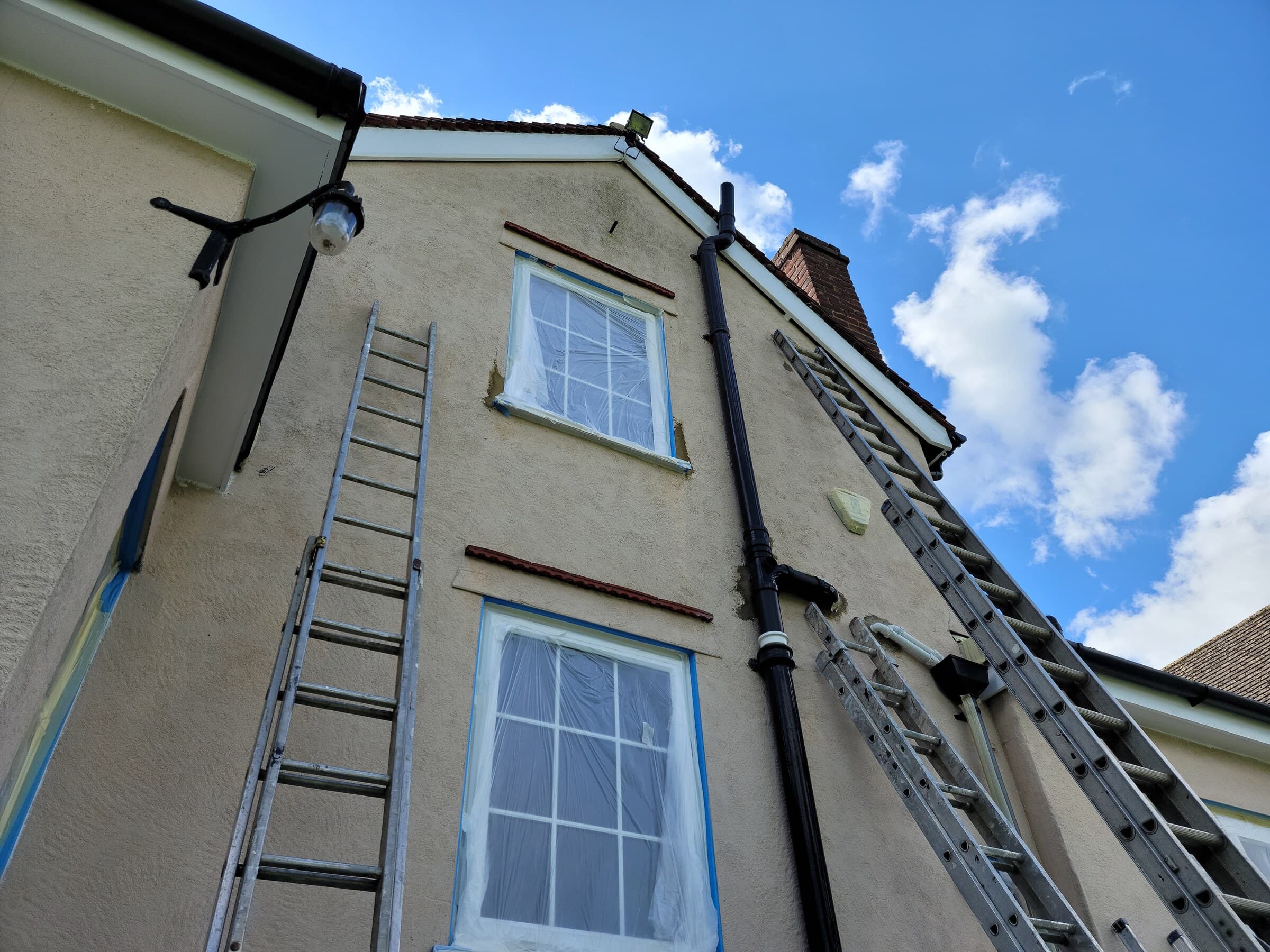
You can have too much of a good thing. In direct, baking sun a coat can skin over and dry too fast, before it has flowed out or bonded properly, which can leave brush marks or poor adhesion. On hot days we follow the shade around the building rather than chasing the sun, painting each elevation when it's out of the direct heat.
Wind
A light breeze helps things dry, but a strong wind blows dust, grit and debris onto wet paint and dries the edges too quickly. It also makes working at height on a tower or scaffold less safe. Settled, calmer days are what we're after.
A settled, dry spell, not just one fine day, is what lets each coat go on and cure properly.
Month by month in the UK
Spring (April to May)
Often excellent. Once the frosts have passed and the days lengthen, spring brings mild, drier spells that are ideal, and you get the house looking its best before summer. Keep an eye on overnight temperatures early in the season.
Summer (June to August)
The most reliable window: long daylight and the warmest, driest conditions. The main thing to manage is strong midday sun, which we handle by working in the shade. It's also the busiest period, so booking ahead matters.
Autumn (September to October)
A good second window, especially early on, but the working day shrinks. Heavy morning dew and earlier dusk mean fewer usable hours, so jobs take a little longer to schedule around the weather.
Winter (November to March)
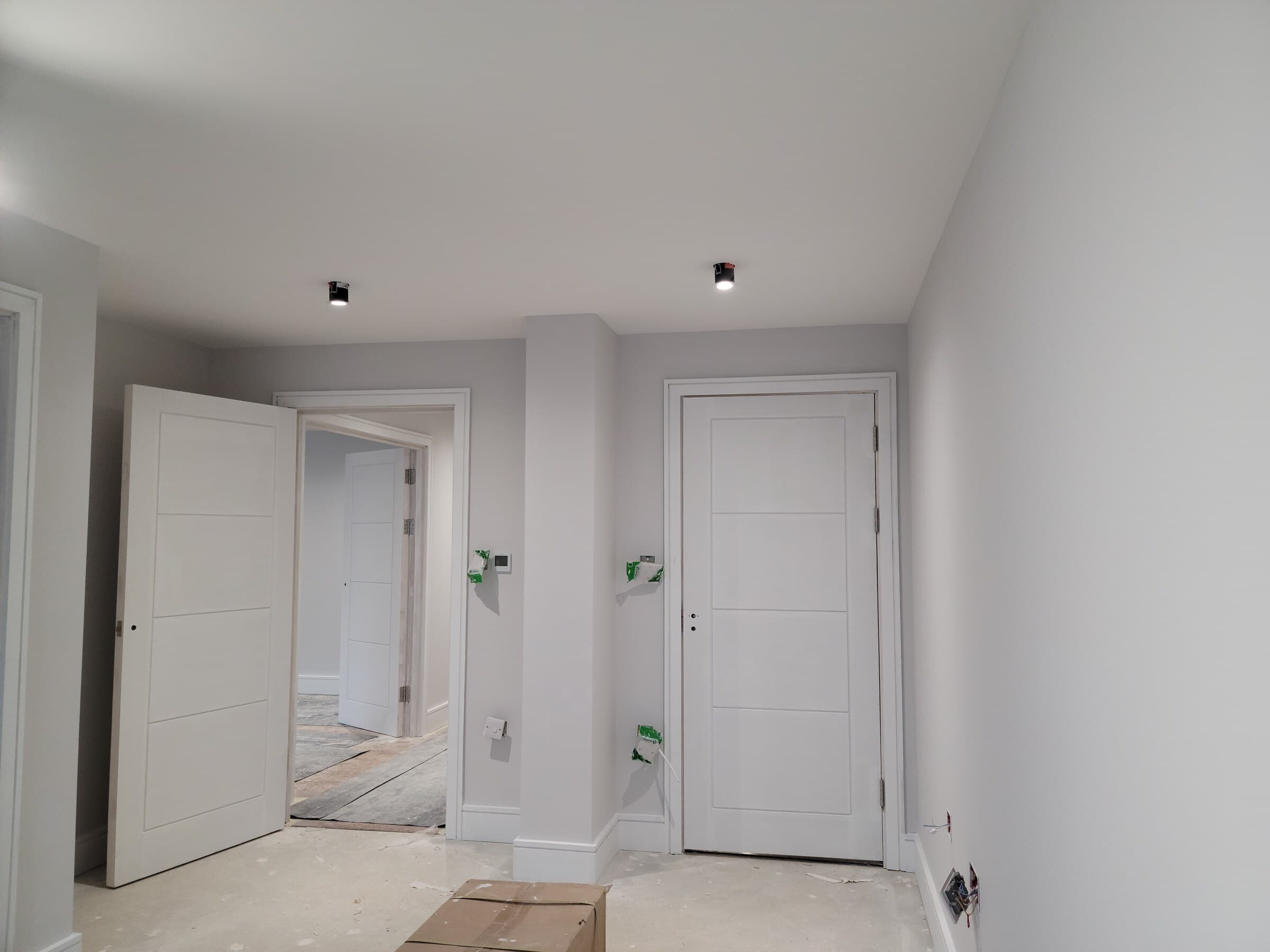
Generally not the time for exterior painting in the UK. Cold, short days, damp surfaces and frost make a lasting finish hard to guarantee. Winter is better spent planning, and it's the ideal time to book in interior work instead and have the exterior lined up for spring.
Preparation needs good weather too
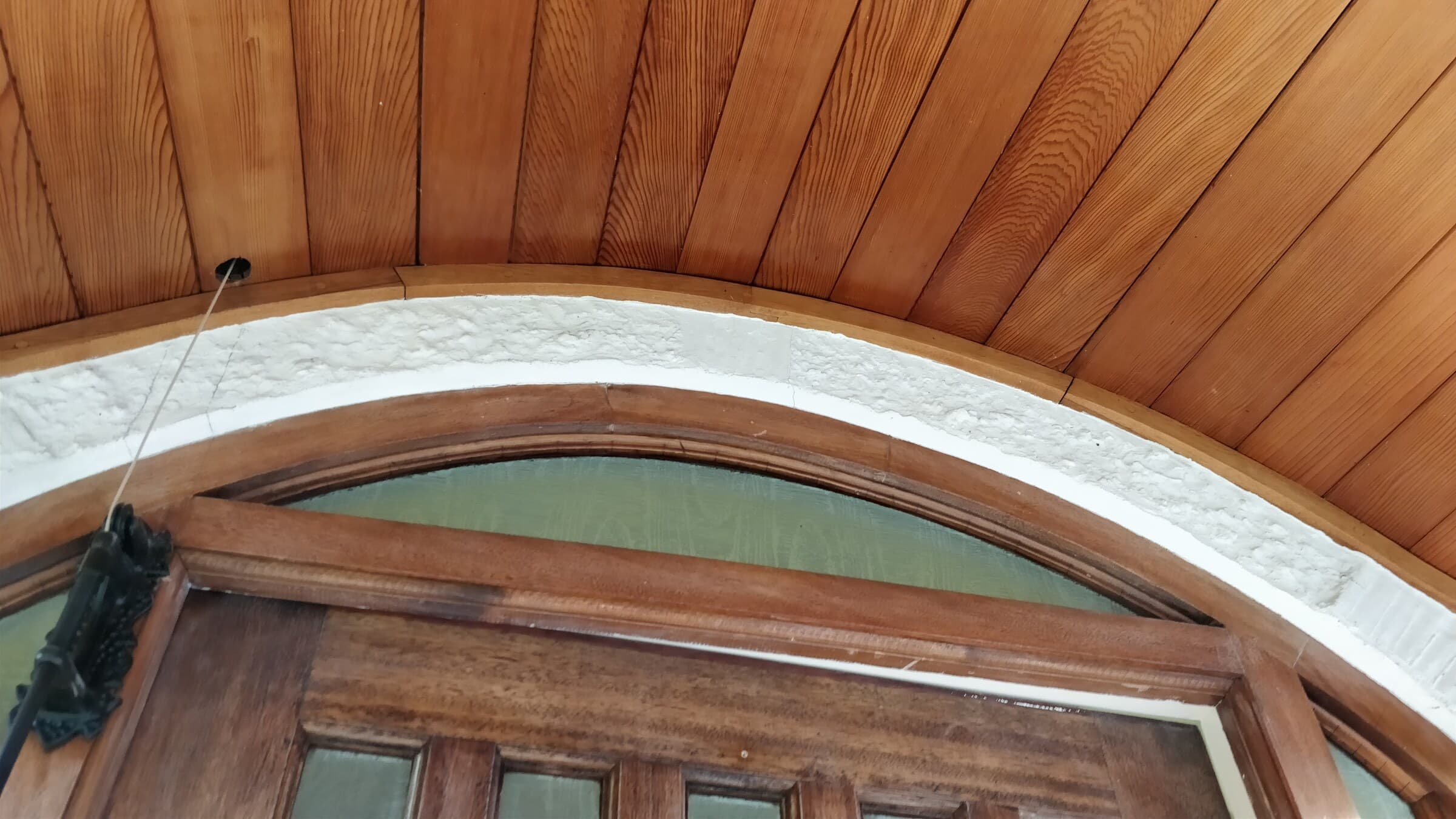
It's easy to think only the painting needs dry conditions, but the prep does as well, and prep is most of an exterior job. Washing down, scraping, sanding, treating bare timber, filling and repairing render, and priming all need dry surfaces and time to dry between steps. That's why a proper exterior repaint needs a run of settled days, not a single fine afternoon. It's worth reading why surface preparation makes or breaks a finish.
How to plan your exterior project
Book early. Decide in winter or early spring and get a quote in, so you're on the calendar for the good weather rather than chasing it.
Be flexible by a few days. We plan around the forecast, so a little flexibility lets us pick the best settled spell rather than forcing a fixed date.
Sort repairs first. Deal with any damp, gutter or timber problems before painting, so we're protecting sound surfaces rather than sealing in trouble.
Think about access. Anything above the ground floor usually needs scaffolding or a tower; agreeing this up front keeps things moving.
Combine jobs sensibly. If the front and back both need doing, tackling them together is more efficient than two separate visits.
Get an exterior quote, ready for the right weather
We cover exterior decorating across Broxbourne, the Lea Valley and the wider areas we serve, and we plan every outdoor job around the forecast so the finish lasts. If you're thinking about the outside of your house this year, the best time to sort the quote is well before the weather's perfect, so you're booked in when it is. Tell us about your project and we'll take a look.
Frequently asked questions
What's the best month to paint the outside of a house in the UK?
There's no single best month, but the most reliable conditions usually run from late spring to early autumn, with mid-summer offering the longest, driest spells. What matters most is a settled run of dry weather with surface temperatures comfortably above the paint's minimum, rather than the date on the calendar.
Can you paint outside in winter?
We generally don't recommend exterior painting through a UK winter. Cold temperatures, damp surfaces, frost and short days make it very hard to get a finish that bonds and cures properly. Winter is a good time to plan and to get interior work done, with exterior jobs booked for spring.
How cold is too cold to paint outside?
It depends on the product, but as a rule most exterior coatings want the air and surface consistently above around 8 to 10°C while applying and curing, and not dropping towards freezing soon after. We always check the specific paint's minimum and the overnight forecast before starting.
Can you paint in the rain or straight after it?
No. Surfaces need to be properly dry before paint goes on, and fresh paint needs time to cure before the next shower or heavy dew. That's why we plan around the forecast and look for a dry spell, not just a dry hour.
How long does an exterior repaint take?
It depends on the size and condition of the property, how much repair and prep is needed, and the access required. Weather plays a part too, since we work around dry spells. We'll give you a realistic timescale with your quote rather than an optimistic one.
Should I book now for summer?
Yes, if you can. The warm, dry months are the busiest for exterior work, so the earlier you get a quote and a date in, the more likely you are to have the job done in ideal conditions. Get in touch and we'll plan it around the weather.